
Diamond blades are known for their ability to cut through a wide range of materials, including concrete, stone, and ceramics. However, when it comes to cutting stainless steel, things can get more complicated. Stainless steel is a tough, durable material commonly used in industrial, construction, and kitchen applications. Its high strength and resistance to heat and corrosion make it challenging to cut, even with professional-grade tools. So, can a diamond blade effectively cut stainless steel? This article delves into the properties of diamond blades, the nature of stainless steel, and the factors to consider when cutting this challenging material.
Understanding Diamond Blades
What Are Diamond Blades?
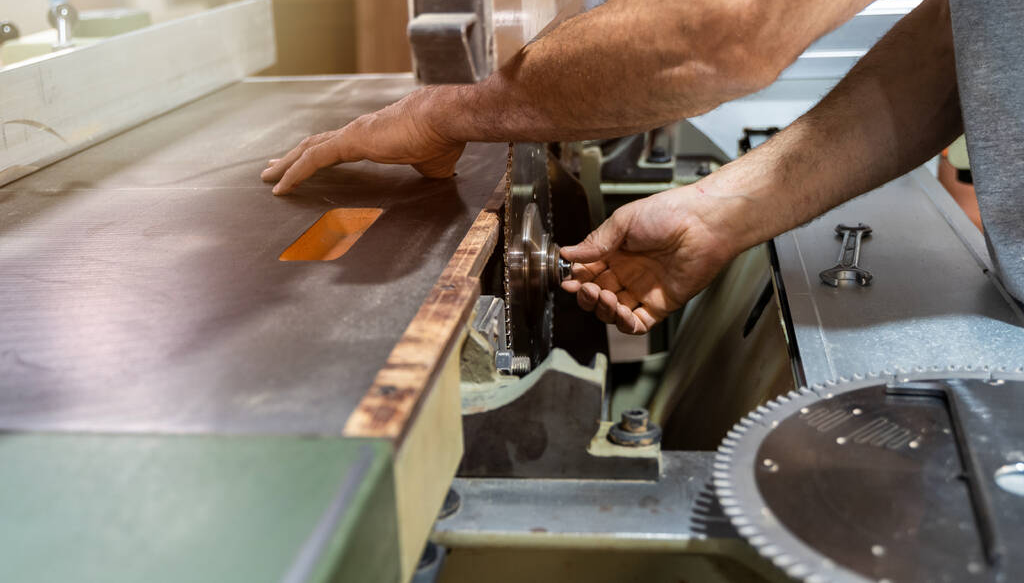
Diamond blades are specialized cutting tools with a steel core and a cutting edge embedded with diamond particles. These particles are bonded to the blade using various methods, such as sintering, electroplating, or vacuum brazing. The sharpness and durability of diamond particles make these blades ideal for cutting hard, abrasive materials.
Types of Diamond Blades
Diamond blades come in different designs based on the material they are intended to cut. The three primary types include:
- Continuous Rim Blades: These blades are designed for wet cutting applications, where water helps cool the blade and reduce dust. They are ideal for smooth, chip-free cuts in materials like tile and ceramics.
- Segmented Blades: These blades have segments separated by gullets, which allow for faster cuts and better cooling. They are commonly used for dry cutting in concrete and stone.
- Turbo Blades: Turbo blades combine the benefits of continuous and segmented blades, providing a faster cutting speed while maintaining precision.
The Challenge of Cutting Stainless Steel
Properties of Stainless Steel
Stainless steel is a corrosion-resistant alloy primarily composed of iron, chromium, nickel, and other elements. Its characteristics include:
- High Tensile Strength: Stainless steel is robust and resistant to deformation.
- Hardness: Its hardness makes it challenging to cut or grind.
- Heat Resistance: Stainless steel retains its structural integrity at high temperatures.
- Galling Tendency: Stainless steel has a tendency to weld or stick to cutting tools due to friction and heat.
These properties make stainless steel a difficult material for conventional cutting tools.
Can a Diamond Blade Cut Stainless Steel?
The short answer is yes, but with significant caveats. While diamond blades can technically cut through stainless steel, they are not specifically designed for this purpose. Here’s why:
Why Diamond Blades Can Cut Stainless Steel
- Hardness of Diamonds: Diamond is one of the hardest known materials, capable of cutting through tough materials like stainless steel.
- Abrasive Action: The diamond particles on the blade create an abrasive effect, gradually wearing away the stainless steel.
Challenges When Using Diamond Blades on Stainless Steel
- Blade Wear: Cutting stainless steel can cause rapid wear and tear on a diamond blade. The material’s hardness and heat resistance accelerate the breakdown of the blade’s diamond particles.
- Heat Buildup: Stainless steel generates significant heat during cutting, which can damage the blade and affect the cut’s quality.
- Surface Finish: Diamond blades may leave a rough or uneven edge on stainless steel, requiring additional finishing work.
Best Practices for Cutting Stainless Steel with Diamond Blades
If you decide to use a diamond blade to cut stainless steel, follow these best practices to ensure safety and efficiency:

1. Choose the Right Blade
Opt for a diamond blade designed for cutting metals or one labeled as suitable for stainless steel. While standard diamond blades can cut stainless steel, using a specialized blade will yield better results and extend the blade’s lifespan.
2. Use Proper Cooling
Cooling is essential when cutting stainless steel. Use water or a cooling lubricant to minimize heat buildup, reduce friction, and prolong the blade’s life. Wet cutting is preferable for this reason.
3. Control the Cutting Speed
Operate the saw at a moderate speed to avoid excessive heat and blade wear. Avoid forcing the blade through the material; instead, let the blade do the work.
4. Ensure Safety Measures
Wear appropriate personal protective equipment (PPE), including safety goggles, gloves, and hearing protection. Secure the stainless steel firmly to prevent movement during cutting.
5. Consider Multiple Passes
For thicker stainless steel, make several shallow passes instead of one deep cut. This approach reduces stress on the blade and minimizes heat generation.
Alternatives to Diamond Blades for Cutting Stainless Steel
Given the challenges of using diamond blades, you might consider alternative cutting methods specifically designed for metals:
1. Abrasive Cut-Off Wheels
Abrasive wheels made from materials like aluminum oxide or zirconia are more suitable for cutting stainless steel. They are designed to handle the heat and hardness of metals.
2. Plasma Cutting
Plasma cutters use a high-temperature plasma arc to melt and cut through stainless steel. This method is fast, precise, and ideal for thick materials.
3. Band Saws
Metal-cutting band saws with bi-metal or carbide-tipped blades provide smooth, accurate cuts in stainless steel.
4. Circular Saws with Metal-Cutting Blades
Circular saws equipped with blades designed for metals can efficiently cut stainless steel, especially in straight-line applications.
Factors to Consider Before Cutting Stainless Steel
When deciding whether to use a diamond blade for cutting stainless steel, consider the following:
- Blade Longevity: Diamond blades wear out quickly when cutting stainless steel, making them less cost-effective for large-scale projects.
- Cutting Precision: If a smooth, precise cut is required, alternative tools may be more suitable.
- Material Thickness: Thicker stainless steel increases the difficulty and strain on the blade.
- Project Scale: For occasional, small-scale cuts, a diamond blade might suffice. For frequent use, investing in a tool designed for metal cutting is advisable.
Conclusion
While a diamond blade can cut stainless steel, it is not the optimal tool for the job. Stainless steel’s hardness, heat resistance, and galling tendency present significant challenges that can lead to rapid blade wear, excessive heat buildup, and rough cuts. If you choose to use a diamond blade, select one specifically designed for metal cutting, use proper cooling methods, and follow best practices to ensure safe and effective operation.
For most applications, tools like abrasive cut-off wheels, plasma cutters, or band saws are better suited for cutting stainless steel. By selecting the right tool for the job, you can achieve precise cuts while preserving the longevity of your equipment and the quality of your work.