
Preventing heat damage is crucial when using diamond grinding wheels, as excessive heat can lead to wheel wear and workpiece deformation. This blog delves into understanding heat generation during grinding and offers practical tips on selecting the right wheel, optimizing grinding parameters, using coolants effectively, and maintaining proper equipment. By implementing these strategies, you can enhance performance, extend wheel life, and achieve superior results in your grinding projects.
Understanding Heat Damage
Heat damage in grinding occurs when excessive friction generates temperatures that exceed the material’s or the wheel’s tolerance limits. This heat can come from various sources, including high grinding speeds, incorrect feed rates, or insufficient cooling.
Causes of Heat Damage:
High Friction: Excessive friction between the grinding wheel and the workpiece generates significant heat. This can be due to too much pressure or using an inappropriate wheel for the material.
Inadequate Cooling: Lack of sufficient cooling, either through coolant or proper ventilation, can exacerbate heat buildup.
Incorrect Grinding Parameters: Using too high speeds or feeds can increase the heat generated during grinding.
Effects of Excessive Heat:
On Diamond Grinding Wheels: Excessive heat can lead to the degradation of the diamond abrasive and the bond, causing the wheel to wear out prematurely. The diamonds may also become dull, reducing the wheel’s effectiveness.
On Workpieces: High temperatures can cause thermal damage to the workpiece, such as changes in material properties (e.g., hardening or softening), warping, or even cracking. This affects the integrity and quality of the finished product.
Proper Wheel Selection
Selecting the correct diamond grinding wheel is crucial for optimizing performance and preventing heat damage during grinding operations. Here are key factors to consider:
Material: The material of both the grinding wheel and the workpiece significantly affects grinding efficiency and heat generation. Diamond wheels are suitable for hard materials like ceramics, concrete, and metals, as diamonds are extremely hard and can handle tough surfaces. Conversely, for softer materials, a different abrasive might be more appropriate.
Grit Size: Grit size determines the wheel’s cutting ability and surface finish. Coarser grits (lower numbers) are used for faster material removal and rough grinding, generating more heat. Finer grits (higher numbers) offer smoother finishes but may produce less heat. Choosing the right grit size helps balance material removal rates and heat generation.
Bond Type: The bond type affects the wheel’s durability and heat resistance. Bonds are typically made of metal, resin, or vitrified materials. Metal bonds are robust and suitable for heavy-duty grinding, while resin bonds provide a cooler cut with less heat build-up. Understanding the bond type helps ensure the wheel suits your specific application and conditions.
Correct Grinding Techniques
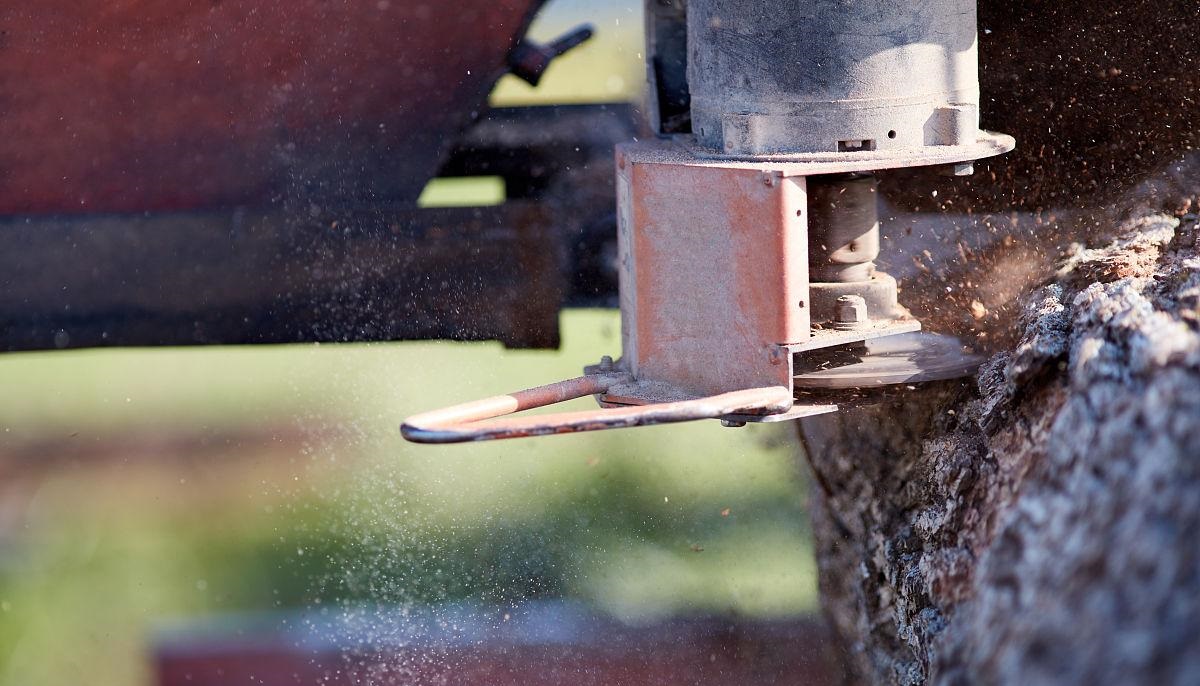
Implementing proper grinding techniques is essential to prevent heat damage and ensure efficient material removal. The grinding speed and feed rate play a critical role in managing heat generation. Operating at the recommended speed ensures that the grinding wheel functions optimally, reducing the risk of excessive heat buildup. Similarly, maintaining an appropriate feed rate ensures that the material is removed efficiently without causing undue stress on the wheel or the workpiece.
Using the correct angle during grinding is equally important. An improper angle can increase friction and heat, leading to damage. Applying consistent, moderate pressure helps in maintaining a stable grinding process, avoiding spikes in temperature. Additionally, adopting a technique that allows for gradual material removal rather than aggressive cuts can significantly reduce heat production. By adhering to these guidelines, you can achieve a balance between productivity and the longevity of both the grinding wheel and the workpiece.
Cooling Methods
Cooling plays a crucial role in preventing heat damage during grinding by dissipating the heat generated from friction between the grinding wheel and the workpiece. There are several effective cooling methods to consider.
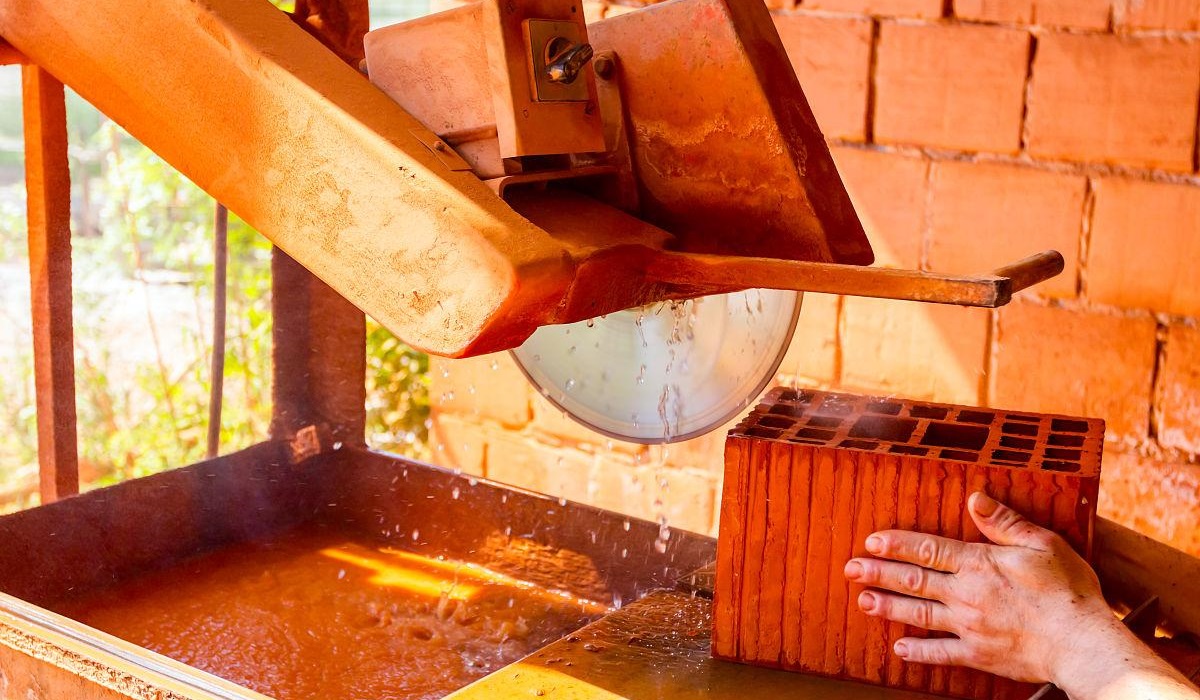
Water cooling is highly efficient, providing a direct cooling effect that quickly absorbs and disperses heat. However, it requires a consistent supply and proper drainage, which can be cumbersome in some setups.
Air cooling, while simpler and more accessible, is less effective at removing heat and may not suffice for high-intensity grinding tasks. Grinding fluids and coolants, such as oil-based or synthetic coolants, offer a balanced solution, providing lubrication and cooling.
Best practices for using grinding fluids include ensuring a proper flow rate, maintaining fluid cleanliness, and selecting the appropriate coolant type based on the material and grinding conditions. These methods collectively help maintain optimal temperatures, enhancing performance and extending the lifespan of both the grinding wheel and the workpiece.
Troubleshooting Heat Damage Issues
Heat damage during grinding can manifest in several common problems, such as reduced grinding efficiency, premature wheel wear, and defects in the workpiece like warping or cracking. Addressing these issues requires a systematic approach. Begin by reducing grinding speed and feed rates to lower heat generation. Ensure proper cooling methods are employed, such as increasing coolant flow or switching to a more effective cooling agent. Adjusting the grinding angle and technique can also help dissipate heat more effectively.
If overheating persists despite these adjustments, inspect the grinding wheel for signs of wear or damage. In some cases, the wheel may need to be replaced. Regular maintenance checks can help identify potential issues before they become severe. If the problems continue or if you notice significant damage to the equipment or workpieces, it is advisable to seek professional assistance. Consulting with experts can provide insights into more complex issues and recommend specific solutions or necessary equipment upgrades.
Conclusion
Implementing the strategies discussed—such as selecting the appropriate diamond grinding wheel, optimizing grinding parameters, and utilizing effective cooling methods—can significantly prevent heat damage. Proper maintenance and troubleshooting are also crucial. By following these guidelines, you can enhance grinding performance, extend the life of your tools, and achieve high-quality results in your projects. Always prioritize understanding and managing heat generation to maintain the integrity of both the grinding wheel and the workpiece.