
Concrete is one of the most widely used construction materials in the world. Whether you are working on a floor, a driveway, or a wall, there comes a time when you need to grind concrete surfaces to achieve the desired texture or smoothness. The key to successfully grinding concrete lies in selecting the right diamond grinding wheel. In this article, we will guide you through the essential factors to consider when choosing a diamond grinding wheel for concrete. By understanding the various features of grinding wheels, you can make an informed decision that will enhance your efficiency, productivity, and the quality of your work.

What Is a Diamond Grinding Wheel?
A diamond grinding wheel is a specialized tool used to grind, smooth, and polish concrete surfaces. It is embedded with diamond crystals, which are incredibly hard and durable, allowing them to cut through tough materials like concrete, stone, and asphalt. The wheels come in various shapes, sizes, and configurations, each designed for specific applications and types of concrete grinding tasks.
While traditional grinding wheels may use abrasives like aluminum oxide or silicon carbide, diamond grinding wheels are far more effective at handling the hardness and abrasiveness of concrete. They are particularly useful when working with reinforced concrete, where the presence of rebar can make grinding even more challenging.
Key Factors to Consider When Selecting a Diamond Grinding Wheel
1. Bond Type
The bond of a diamond grinding wheel is the material that holds the diamond crystals in place. It plays a critical role in how the wheel performs and how long it lasts. There are several types of bonds, and each one is suited to different grinding conditions. The primary bond types are:
- Resin Bond: Resin-bonded wheels are the most common and versatile type of diamond grinding wheel. They offer a good balance of cutting speed and longevity, making them ideal for general concrete grinding. They are especially useful when working on soft to medium-hard concrete surfaces.
- Vitrified Bond: Vitrified bonds are made from a mixture of clay and other minerals. These bonds are much harder than resin bonds and are ideal for heavy-duty grinding tasks, such as when working on very hard concrete or when grinding large surfaces. They provide more consistency and stability during use but can be more prone to wear under high pressure.
- Metal Bond: Metal-bonded wheels are known for their superior durability and long lifespan. These are ideal for applications that require aggressive grinding, such as polishing concrete floors or removing thick coatings. Metal-bonded wheels are also less likely to become loaded with dust, making them a good choice for wet grinding.
2. Diamond Grit Size
The size of the diamond grit on the wheel determines how aggressive the wheel will be during grinding. It essentially indicates the size of the diamond particles that are embedded in the wheel. Diamond grits are categorized into different sizes, which can range from coarse to fine.
- Coarse Grit (6-30 mesh): Coarse-grit wheels are ideal for removing large amounts of material quickly. These are often used for rough grinding, where the objective is to quickly remove concrete or rough surfaces. Coarse grit wheels are typically used when preparing concrete for polishing or when dealing with a heavily damaged surface.
- Medium Grit (30-70 mesh): Medium-grit wheels provide a balance between aggressive grinding and a smoother finish. They are commonly used for general-purpose concrete grinding, such as smoothing floors or removing thin coatings or adhesives.
- Fine Grit (70-120 mesh): Fine-grit wheels are used for finer grinding and polishing. They are often employed for tasks that require a smooth, polished finish, such as in decorative concrete work. Fine-grit wheels are also used for finishing touches after more aggressive grinding has been done.
When selecting the grit size, consider the type of concrete and the desired finish. Coarse grits are better for heavy material removal, while finer grits are better suited for polishing and finishing.
3. Grinding Surface Type
Concrete comes in different grades and compositions, which can influence the type of grinding wheel you need. Some concrete surfaces are harder than others, while some may be more abrasive due to the presence of aggregates or other materials. To ensure the best results, you must choose a grinding wheel that is designed for the specific surface you are working with.
- Soft Concrete: For soft concrete surfaces, wheels with a harder bond (such as resin-bonded wheels) and finer grit are ideal. These wheels will help smooth the surface without excessive wear.
- Hard Concrete: Harder concrete surfaces require wheels with a more aggressive bond, such as a metal-bonded wheel or a vitrified-bonded wheel. These types of wheels can withstand the pressure and will cut through the hard surface more effectively.
- Aggressive Concrete (e.g., exposed aggregate): If the concrete surface is very rough or features exposed aggregates, a more coarse-grit diamond grinding wheel may be required to ensure fast material removal.
4. Wet vs. Dry Grinding
Another key consideration when selecting a diamond grinding wheel is whether you will be using it for wet or dry grinding. Both methods have their advantages and specific requirements.
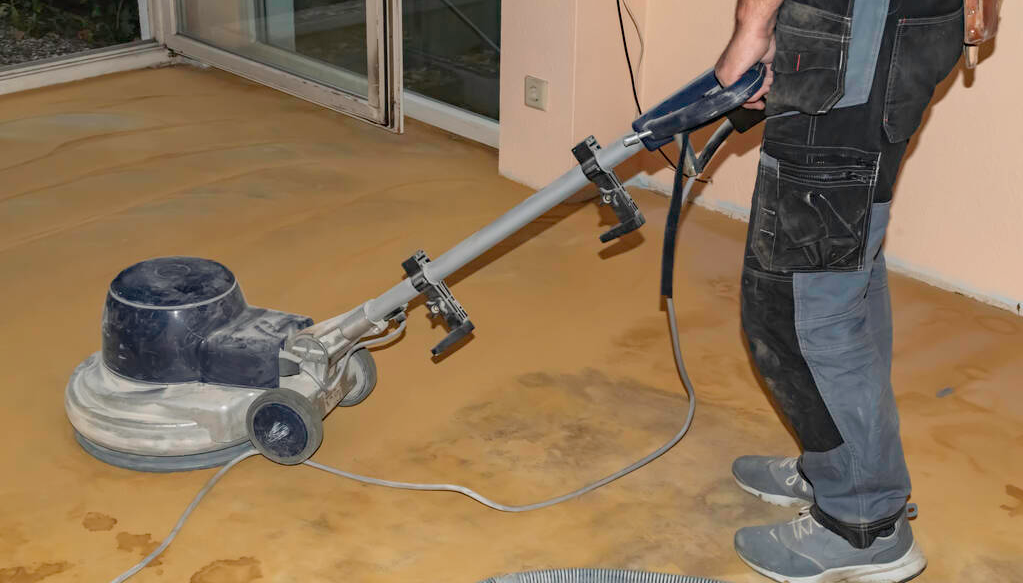
- Wet Grinding: Wet grinding involves using water to cool the diamond grinding wheel and reduce the heat generated during the grinding process. Wet grinding is ideal for keeping the diamond grains sharp and for reducing dust. This method is typically used for floor grinding, polishing, or when working with very hard concrete. When selecting a wet grinding wheel, it’s important to choose one that is designed for use in wet conditions. Metal-bonded wheels tend to perform better in wet grinding conditions.
- Dry Grinding: Dry grinding does not use water and produces more dust, but it is generally quicker and requires less setup time. For dry grinding, you will need a wheel with a more open bond to allow the dust to escape and prevent clogging. Resin-bonded wheels can often be used for dry grinding, although you may want to consider a specialized dry grinding wheel that helps manage the dust more effectively.
5. Grinding Speed and Efficiency
The speed at which the diamond grinding wheel operates can affect how efficiently it grinds concrete. Generally, faster grinding wheels remove material more quickly but may wear down faster. On the other hand, slower wheels tend to last longer but may require more time to complete the job. When selecting a wheel, it’s important to balance speed with efficiency.
The grinding speed is influenced by several factors, including the bond type, diamond grit size, and the concrete’s hardness. If your goal is rapid material removal, you may prefer a coarser grit and a more aggressive bond. However, if precision and a smooth finish are your goals, then a finer grit and slower grinding speed may be more suitable.
6. Size and Shape of the Grinding Wheel
Diamond grinding wheels come in various shapes and sizes, which are tailored to different concrete grinding tasks. The size and shape you choose will depend on the specific application and the equipment you are using.
- Cup Wheels: These are among the most common types of diamond grinding wheels. They have a circular shape with a flange that provides stability during grinding. Cup wheels are ideal for grinding large surfaces, such as floors and walls, and come in various sizes, typically ranging from 4 to 7 inches in diameter.
- Flat or Segmented Wheels: Flat diamond wheels are often used for smoothing surfaces or removing coatings. They have segments arranged around the perimeter, allowing for efficient removal of material. Segmented wheels are designed for heavy-duty tasks and are especially effective at handling tougher concrete surfaces.
- Resin-Impregnated Wheels: These are often used for polishing and finishing. They come in different shapes, including discs and cylindrical forms, and are excellent for achieving a smooth, polished finish.
7. Manufacturer and Quality
Finally, when selecting a diamond grinding wheel for concrete, it’s important to consider the brand and quality of the product. Not all diamond grinding wheels are created equal, and opting for a reputable manufacturer can ensure better performance and durability. Well-known brands typically invest in high-quality diamonds, advanced manufacturing processes, and rigorous quality control.
Purchasing from a trusted supplier also provides access to customer support and product warranties, which can be beneficial if you encounter any issues during use.
Conclusion
Selecting the right diamond grinding wheel for concrete involves understanding the material’s hardness, the type of work you need to perform, and the specifications of the grinding wheel itself. By carefully considering the bond type, diamond grit size, and other factors, you can ensure that the wheel you choose delivers maximum performance, efficiency, and longevity.
Whether you’re grinding a soft concrete surface or polishing a hard concrete floor, the right diamond grinding wheel will not only make the job easier but will also help you achieve a smoother, more polished finish. By choosing the right tool for your specific needs, you can improve the quality of your work, increase your productivity, and ensure that your project is completed to the highest standard.