
Diamond blades are among the most durable and versatile tools used in the construction, manufacturing, and demolition industries. They are commonly known for cutting through hard materials like concrete, stone, and masonry. However, one question that often arises is whether a diamond blade can effectively cut metal. This article will explore the use of diamond blades for metal cutting, the factors that affect their performance, and the types of metal blades available for various cutting applications.
What is a Diamond Blade?
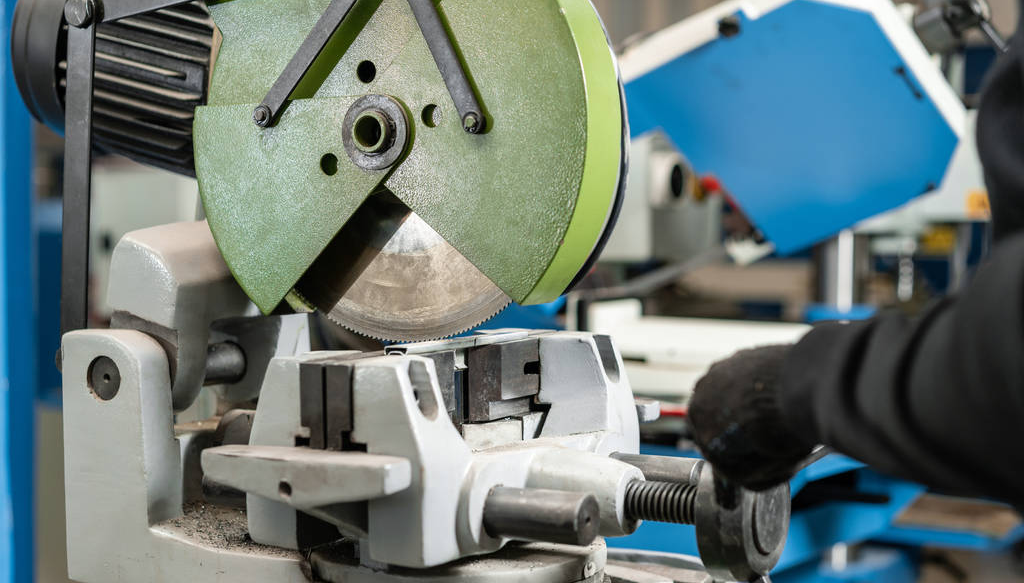
Before we dive into the details of metal cutting, let’s first understand what a diamond blade is. A diamond blade is a type of circular saw blade with a rim that is coated or embedded with diamond crystals. The diamonds are the hardest known material and are able to withstand extreme temperatures and pressures. These blades are designed to cut through tough, abrasive materials by grinding away the surface.
Diamond blades are commonly used for cutting through concrete, asphalt, granite, brick, and tile. They work by scraping and grinding through the material, and their diamond segments ensure that the blade stays sharp for a longer period than conventional saw blades.
How Does a Diamond Blade Work?
Diamond blades cut through materials by using the diamonds embedded in the edge of the blade to grind the material away. The grinding process generates heat and friction, which allows the blade to gradually wear away the material. However, the cutting efficiency and effectiveness of a diamond blade depend on several factors, including the type of material being cut, the bond of the diamonds, and the speed at which the blade is moving.
Can a Diamond Blade Cut Metal?
The short answer is yes, but with some important qualifications. While diamond blades can be used to cut metal, they are not always the most suitable option, depending on the type of metal and the specific cutting requirements. Metal cutting typically requires specialized blades that are designed for the material in question.
Diamond blades are not designed for cutting metals in the same way that traditional metal-cutting saw blades, such as carbide-tipped blades or abrasive cut-off wheels, are. However, when properly designed and used, diamond blades can cut through certain types of metal, such as steel, cast iron, and aluminum.
The diamond blade’s ability to cut metal depends largely on the following factors:
Type of Metal
Not all metals are the same, and the type of metal being cut plays a crucial role in determining whether a diamond blade can handle the job. Diamond blades are often used to cut soft metals like aluminum or copper, as well as ferrous metals such as steel and iron. However, harder metals such as stainless steel, titanium, and high-carbon steel may present more challenges.
When cutting softer metals, the diamonds embedded in the blade can grind away the material effectively. However, cutting harder metals requires a blade with a more specialized bond to handle the additional heat and friction generated during the process.
Blade Type and Bond
The design of the diamond blade is critical to its ability to cut through metal. Not all diamond blades are created equal; they vary in terms of diamond concentration, the type of bond used, and the cutting process.
- Diamond Concentration: The more diamonds in the blade, the faster it can cut through material. For cutting metal, a blade with a high concentration of diamonds is preferred as it will provide more efficient cutting.
- Bond Type: The bond is the material that holds the diamonds in place. For cutting metal, a softer bond is generally preferred, as it allows the diamonds to wear away quickly and expose fresh cutting edges. A harder bond is better for cutting through tougher materials like concrete.
- Segment Design: The segment design of a diamond blade influences its cutting speed and efficiency. Segments are the parts of the blade where the diamonds are located, and different segment designs are optimized for different types of materials. For cutting metal, it is important to choose a diamond blade with segments designed specifically for metal cutting.
Cutting Speed and Heat
One of the key challenges when cutting metal with a diamond blade is managing the heat buildup. Metal cutting generates a significant amount of heat, which can cause the diamond blade to wear out prematurely if not managed properly. Diamond blades used for metal cutting often require water or another cooling agent to help dissipate heat and extend the blade’s life.
The cutting speed also plays a role. If the blade is used too quickly, it can overheat and cause the diamonds to break loose. On the other hand, cutting too slowly can result in poor cutting performance and longer cutting times. To optimize cutting, it’s important to maintain the right balance of speed and pressure.
Applications of Diamond Blades for Metal Cutting
While specialized metal-cutting blades, such as abrasive cut-off wheels and carbide-tipped saw blades, are generally the go-to tools for cutting metal, diamond blades can be effective in certain applications. Some of the common uses for diamond blades in metal cutting include:

1. Cutting Thin Metals:
Diamond blades are effective for cutting thin metals, such as sheet metal, metal pipes, and light-gauge steel. Their ability to make clean, precise cuts without generating too much heat or producing sparks makes them ideal for this type of work.
2. Cutting Through Reinforced Concrete with Metal Rebar:
In construction and demolition, diamond blades are often used to cut through reinforced concrete that contains metal rebar. The diamonds in the blade allow it to cut through both the concrete and the metal rebar without losing efficiency.
3. Cutting Non-Ferrous Metals:
Diamond blades are well-suited for cutting non-ferrous metals such as aluminum, brass, copper, and bronze. These metals are softer and easier to cut than ferrous metals, which makes diamond blades a practical choice for these materials.
4. Cutting Ferrous Metals:
Although cutting ferrous metals such as steel and cast iron with a diamond blade is possible, it is typically not as efficient as using a specialized metal-cutting blade. Diamond blades for metal cutting must be carefully selected based on the specific metal and cutting conditions.
Specialized Diamond Blades for Metal
While general-purpose diamond blades can cut through some metals, there are blades designed specifically for cutting metal. These specialized diamond blades are equipped with a unique bond and segment design to optimize cutting performance and longevity when working with metal.
- Metal Cutting Diamond Blades: These blades are designed for cutting ferrous and non-ferrous metals, including steel, aluminum, and copper. They feature a specialized bonding system that helps them handle the heat generated during metal cutting.
- Reinforced Diamond Blades: For cutting through reinforced concrete with steel rebar, reinforced diamond blades are used. These blades can handle both the concrete and the metal, making them an essential tool for demolition and construction projects.
- Dry and Wet Cutting Diamond Blades: Some diamond blades are designed for dry cutting, while others are designed for wet cutting. Wet cutting is preferred when cutting metal with a diamond blade, as it helps keep the blade cool and reduces friction.
Safety Considerations
When using a diamond blade to cut metal, safety is paramount. Metal cutting often generates sparks, which can pose a fire hazard, especially when working with flammable materials. Always wear protective gear, including safety goggles, gloves, and a face shield, to protect yourself from debris and flying sparks. Ensure that the work area is clear of flammable materials, and always use the appropriate cutting equipment.
Additionally, proper handling of the blade is crucial to prevent accidents. Follow the manufacturer’s instructions for speed, pressure, and cutting depth to ensure the best results and avoid damaging the blade.
Conclusion
In summary, diamond blades can indeed cut metal, but they are not always the ideal choice for every metal-cutting application. While diamond blades work well for cutting softer metals, such as aluminum, brass, and copper, they may not perform as efficiently on harder metals like stainless steel or high-carbon steel. For cutting ferrous metals, a specialized metal-cutting blade may be a better option.
If you need to cut metal with a diamond blade, it’s important to choose the right blade type, ensure proper cooling, and follow the manufacturer’s guidelines for safe and efficient cutting. For many construction and demolition tasks, diamond blades are an excellent tool for cutting through both metal and other tough materials like concrete and masonry. However, always consider the type of metal, the blade’s specifications, and the cutting conditions before making your decision.