
Concrete grinding is a common process used to improve the appearance and functionality of concrete surfaces. Whether for industrial, commercial, or residential applications, grinding can significantly alter the visual and textural characteristics of concrete. This guide explores the aesthetics, finish options, and overall appearance of concrete after grinding, providing insight into what you can expect from this transformative process.

The Basics of Concrete Grinding
Concrete grinding involves the use of diamond grinding wheel tools to smooth and level concrete surfaces. This process removes imperfections, old coatings, and uneven layers to create a uniform finish. Grinding can be performed using handheld grinders for small areas or powerful walk-behind grinders for larger spaces.
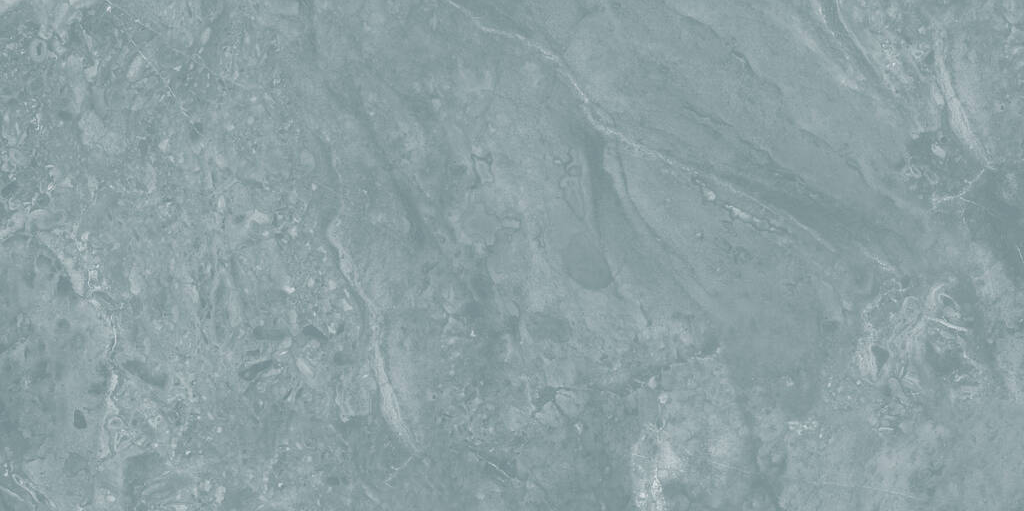
Appearance of Concrete After Grinding
The visual outcome of concrete grinding depends on several factors:
- Grinding Depth: The level of grinding determines how much aggregate is exposed.
- Tooling and Grit Size: Different grinding pads, from coarse to fine grits, influence the surface texture and shine.
- Surface Condition: Pre-existing damage, coatings, or stains may impact the final appearance.
- Sealants and Polishes: Applying sealers or coatings enhances color and gloss.
Types of Concrete Finishes After Grinding
Concrete grinding offers multiple finish options:
1. Smooth Matte Finish
A matte finish is achieved by using low-grit diamond grinding wheel pads. This finish is ideal for areas requiring slip resistance while maintaining a clean, uniform look. The surface appears flat with minimal aggregate exposure.
2. Satin Finish
A satin finish strikes a balance between matte and glossy. It provides a low-sheen surface that reflects minimal light, enhancing the natural tones of the concrete.
3. Semi-Polished Finish
For a light shine without excessive gloss, a semi-polished finish works well. Achieved by refining the concrete with medium to high-grit diamond grinding wheel pads, this finish highlights minor aggregates and has a refined appearance.
4. Polished Finish
Concrete polishing creates a high-gloss, reflective surface. This method involves fine-grit diamond grinding wheel pads and often includes a densifier to enhance durability and shine. Polished concrete reveals various levels of aggregate depending on the grinding depth.
Aggregate Exposure Levels
The degree of grinding directly affects the visibility of aggregates (stone, sand, and other materials within the concrete mix):
- Cream Finish: Achieved with minimal grinding, revealing only the surface layer. This results in a smooth and monochromatic appearance.
- Fine Aggregate Finish: Slightly deeper grinding exposes smaller aggregates, adding texture and subtle color variations.
- Medium Aggregate Finish: A more intense grind exposes more significant portions of the aggregate, providing a speckled, decorative look.
- Full Aggregate Finish: The deepest grind exposes large, prominent aggregates, creating a terrazzo-like aesthetic with high visual contrast.
Color and Visual Effects After Grinding

Concrete grinding can enhance or alter the color of the surface. Common effects include:
- Enhanced Natural Tones: Grinding can deepen the concrete’s inherent gray color, giving it a sleek industrial look.
- Staining Options: After grinding, concrete stains can be applied to add customized colors and patterns.
- Densifiers and Sealers: These enhance color intensity while protecting the surface from stains and moisture.
Surface Texture and Feel
The texture of ground concrete varies based on the tools used and the grinding process.
- Rough Texture: Achieved through coarse diamond grinding wheel pads, ideal for outdoor or industrial surfaces needing grip.
- Smooth Texture: Results from fine-grit diamond grinding wheel pads, suitable for decorative floors in residential or retail spaces.
- Velvety Feel: Achieved through polishing techniques that create a soft, touchable surface with a glossy finish.
Common Applications of Ground Concrete
Concrete grinding enhances aesthetics and functionality, making it suitable for:
- Warehouses and Industrial Spaces: Durable and low-maintenance surfaces with improved traction.
- Retail and Commercial Areas: Stylish finishes with polished effects for aesthetic appeal.
- Residential Floors: Modern, clean, and seamless flooring in kitchens, basements, and living spaces.
- Outdoor Spaces: Pathways, patios, and driveways with enhanced slip resistance.
Maintenance of Ground Concrete Surfaces
To preserve the appearance and longevity of ground concrete:
- Regular Cleaning: Use neutral cleaners to remove dust and debris.
- Sealing: Periodic resealing helps maintain color, shine, and moisture resistance.
- Routine Polishing: Re-polishing restores gloss and enhances surface durability.
Benefits of Concrete Grinding
- Improved Appearance: Grinding creates uniform surfaces with aesthetic appeal.
- Increased Durability: Removing weak surface layers enhances strength and longevity.
- Low Maintenance: Polished and sealed concrete resists stains and requires minimal upkeep.
- Enhanced Safety: Slip-resistant finishes improve traction in wet or high-traffic areas.
Potential Challenges and Solutions
While concrete grinding offers numerous benefits, some challenges may arise:
- Surface Cracks: Grinding may reveal cracks that require patching or filling.
- Inconsistent Aggregate Exposure: Skilled operators can control grinding depth for consistent results.
- Dust Production: Using dust extraction systems minimizes airborne particles during grinding.
Conclusion
Concrete grinding is a versatile method for transforming plain concrete into attractive, functional surfaces. Whether aiming for a matte finish, exposed aggregate look, or a polished shine, understanding the available options ensures you achieve the desired result. By choosing the appropriate grinding technique and maintaining the surface properly, you can enjoy durable, visually appealing concrete in various settings.