
When it comes to cutting tools, diamond blade segments are essential components that significantly influence performance, efficiency, and the overall quality of the cut. Understanding the features of diamond blade segments can help manufacturers and users make informed decisions when selecting the right tools for specific applications. This article delves into four critical features you should know about diamond blade segments, ensuring you understand their impact on cutting performance.

1. Segment Design and Configuration
The design and configuration of diamond blade segments play a vital role in determining how well a cutting tool performs. Different cutting applications require specific segment designs to optimize efficiency and effectiveness.
a. Types of Segment Shapes
Diamond blade segments come in various shapes, including:
- Flat Segments: Often used for general-purpose cutting, flat segments provide a stable cutting surface and are ideal for masonry and concrete applications.
- Turbo Segments: Featuring a curved design, turbo segments are designed for fast cutting and reduced friction. They are particularly effective for cutting through hard materials like granite and engineered stone.
- Continuous Segments: These segments offer a smooth cutting edge without gaps, making them suitable for precise cutting of tiles and ceramics. Continuous segments provide cleaner cuts and are less likely to chip delicate materials.
b. Thickness and Height
The thickness and height of the diamond segments also affect cutting performance. Thicker segments tend to be more durable and can withstand higher stress levels during cutting, making them suitable for heavy-duty applications. In contrast, thinner segments may provide faster cutting speeds but could wear out more quickly.
When choosing diamond blade segments, consider the material being cut and the desired cutting speed. For example, when cutting through hard materials like reinforced concrete, thicker segments may be preferred, while thinner segments may be suitable for softer materials.
2. Diamond Quality and Concentration
The quality and concentration of diamonds embedded in the segments are critical factors that influence cutting performance. Higher quality diamonds contribute to improved cutting efficiency and longer tool life.
a. Types of Diamonds
Diamonds used in blade segments can vary in quality and type. They are typically categorized as follows:
- Synthetic Diamonds: These diamonds are manufactured to have uniform characteristics, leading to predictable performance. They are commonly used in industrial applications due to their consistency and durability.
- Natural Diamonds: While less common, natural diamonds may still be used in some cutting applications. They can offer unique properties but may vary in quality.
b. Concentration of Diamonds
The concentration of diamonds in a segment refers to the amount of diamond material embedded in the segment matrix. Higher diamond concentration generally leads to better cutting performance, as more diamonds are available to grind the material. However, the trade-off is that segments with a higher diamond concentration may wear more slowly, leading to longer tool life and less frequent replacements.
When selecting diamond blade segments, consider the type of material you will be cutting and how frequently the tool will be used. For high-volume cutting applications, opting for segments with a higher diamond concentration may provide a more cost-effective solution over time.
3. Bonding Matrix
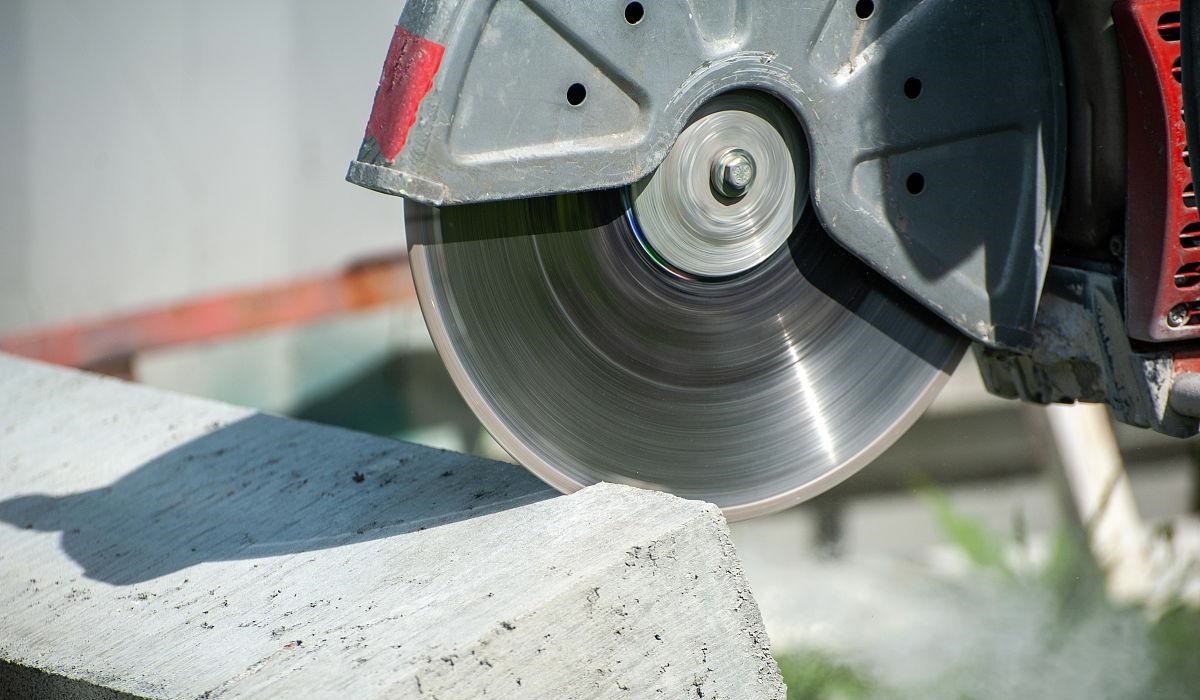
The bonding matrix holds the diamond particles in place and significantly impacts the segment’s performance. The type of bond used can influence the cutting speed, wear resistance, and overall durability of the segment.
a. Types of Bonds
Diamond blade segments typically feature three types of bonds:
- Metal Bond: This type of bond uses metal to secure the diamonds in place, offering high durability and wear resistance. Metal-bonded segments are ideal for cutting hard materials like concrete, stone, and asphalt.
- Resin Bond: Resin bonds provide a softer matrix that allows for faster cutting speeds and smoother finishes. They are often used for cutting softer materials such as tiles and ceramics.
- Hybrid Bond: Combining the benefits of both metal and resin bonds, hybrid bonds offer a balance of durability and cutting speed. They are suitable for a wide range of applications.
b. Bond Hardness
The hardness of the bonding matrix should also be considered based on the material being cut. Softer bonds are ideal for hard materials, allowing for better diamond exposure and faster cutting speeds. Conversely, harder bonds work well for softer materials, providing increased wear resistance and prolonged tool life.
When selecting diamond blade segments, it’s essential to consider the type of bond best suited for your specific cutting application. This choice will ultimately impact cutting speed, efficiency, and the quality of the finished cut.
4. Cooling and Dust Control Features
Effective cooling and dust control features are essential for maintaining optimal cutting performance and prolonging the life of diamond blade segments. Heat generation during cutting can lead to segment wear and reduced efficiency, making cooling mechanisms crucial.
a. Cooling Slots
Many diamond blades incorporate cooling slots or holes that allow air to flow through the segments during cutting. This airflow helps dissipate heat and keeps the segments cooler, reducing the risk of overheating and extending the tool’s life.
Cooling slots also assist in removing dust and debris generated during cutting, improving visibility and cutting accuracy. By keeping the cutting area clear, the blade can operate more efficiently and achieve cleaner cuts.
b. Dust Control Systems
In addition to cooling slots, some diamond blade segments feature advanced dust control systems that capture and contain dust during cutting. These systems minimize the risk of inhaling harmful particles and improve the overall working environment.
Dust control systems can also enhance cutting performance by reducing material buildup on the blade, which can impede cutting efficiency. Investing in diamond blade segments with effective cooling and dust control features can lead to better performance and increased safety for operators.
Conclusion
Diamond blade segments are a crucial component of cutting tools, influencing their performance, durability, and efficiency. By understanding the four essential features of diamond blade segments—segment design and configuration, diamond quality and concentration, bonding matrix, and cooling and dust control features—users can make informed decisions when selecting the right cutting tools for their specific applications.
Investing in high-quality diamond blade segments tailored to your cutting needs will enhance productivity and deliver superior results, making them an invaluable asset in any cutting operation. Whether you are working in construction, manufacturing, or home improvement, understanding these features will help you choose the best tools to meet your requirements and ensure optimal performance.