
Vacuum brazing technology has revolutionized the manufacturing of diamond grinding wheels, offering superior performance and durability compared to traditional bonding methods. This advanced technique involves the precise joining of diamond particles to the metal surface of the grinding wheel using a filler material, all under vacuum conditions. The result is a grinding wheel with enhanced cutting efficiency, longer lifespan, and improved safety, making it an invaluable tool across various industries such as aerospace, automotive, and construction.
In this article, we will explore the vacuum brazing process, its advantages, and the impact it has had on the diamond grinding wheel industry.
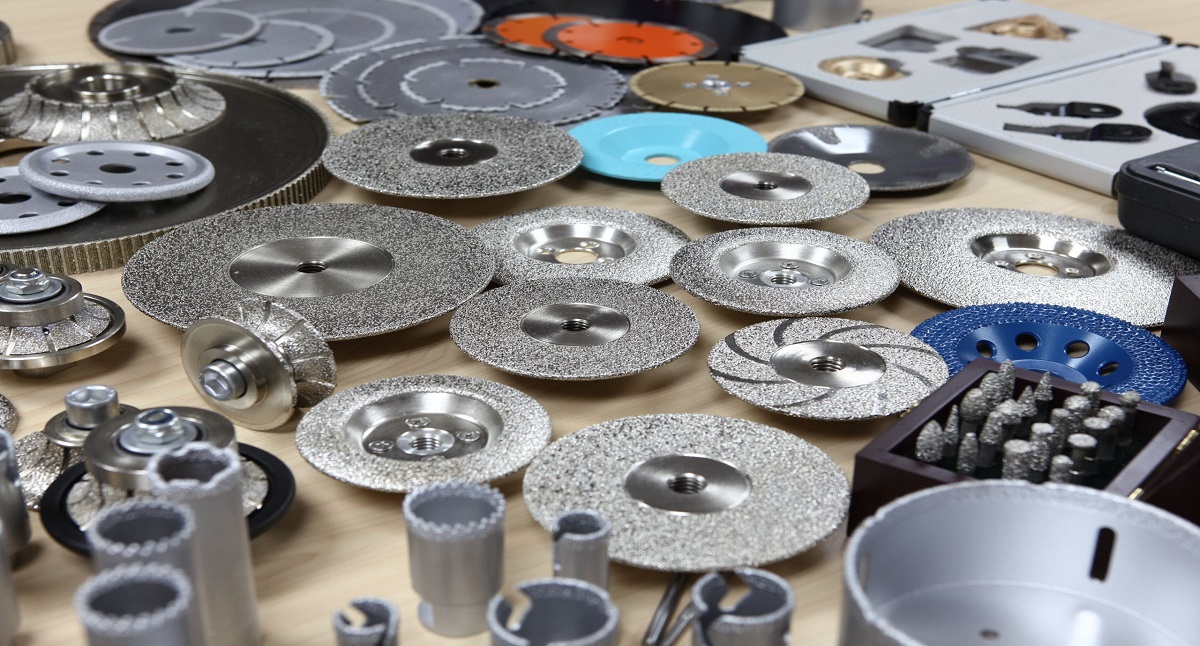
Understanding Vacuum Brazing Technology
What is Vacuum Brazing?
Vacuum brazing is a joining process in which two materials, typically a metal and a diamond abrasive, are bonded together using a filler material that melts at a lower temperature than the base materials. The entire process occurs in a vacuum chamber, which eliminates the presence of oxygen and other gases that could potentially interfere with the bonding process. The absence of oxygen is crucial, as it prevents oxidation and contamination of the materials being joined, resulting in a cleaner and stronger bond.
The Vacuum Brazing Process
- Preparation: The first step in vacuum brazing involves preparing the components that need to be bonded. This includes cleaning the metal substrate and diamond particles to remove any contaminants such as oils, dirt, or oxidation that could hinder the bonding process.
- Application of Filler Material: A filler material, often a metal alloy, is applied to the areas where the diamond particles will be bonded to the metal substrate. The choice of filler material depends on the specific application and the materials being bonded, with common choices including alloys of nickel, silver, and copper.
- Assembly and Placement in Vacuum Chamber: The components are then assembled, with the diamond particles placed onto the metal substrate. This assembly is then placed into a vacuum chamber.
- Heating Process: The vacuum chamber is heated to a temperature high enough to melt the filler material but below the melting point of the base materials. The vacuum environment prevents oxidation, and the molten filler material flows over the surface of the metal substrate and diamond particles, creating a strong bond as it cools and solidifies.
- Cooling and Finishing: After the brazing process is complete, the components are slowly cooled to room temperature. The bonded assembly is then removed from the vacuum chamber and may undergo additional finishing processes, such as grinding or polishing, to achieve the desired surface quality and dimensions.
Advantages of Vacuum Brazing for Diamond Grinding Wheels
1. Strong and Durable Bond
One of the primary advantages of vacuum brazing is the creation of a strong and durable bond between the diamond particles and the metal substrate. The absence of oxygen during the process prevents oxidation, which can weaken the bond in other types of brazing or soldering. As a result, diamond grinding wheels produced through vacuum brazing exhibit excellent adhesion between the diamond particles and the substrate, leading to improved cutting efficiency and a longer lifespan.
2. Enhanced Cutting Efficiency
Vacuum-brazed diamond grinding wheels offer superior cutting performance due to the high concentration of diamond particles on the cutting surface. Unlike other bonding methods, such as resin or electroplating, vacuum brazing allows for the full exposure of diamond particles, maximizing their cutting potential. This results in faster material removal rates, reduced heat generation, and lower power consumption during grinding operations.
3. Improved Heat Resistance
The vacuum brazing process results in a bond that can withstand higher temperatures compared to other bonding methods. This makes vacuum-brazed diamond grinding wheels ideal for applications involving high-speed grinding, where excessive heat can degrade the bond and reduce the wheel’s performance. The improved heat resistance also minimizes the risk of thermal damage to the workpiece, ensuring a higher quality finish.
4. Longer Wheel Life
The durability of the bond created through vacuum brazing translates into a longer lifespan for diamond grinding wheels. The strong adhesion between the diamond particles and the substrate means that the diamonds are less likely to dislodge or wear away prematurely, even under demanding grinding conditions. This extended wheel life reduces the frequency of wheel replacements, leading to cost savings and increased productivity for users.
5. Versatility in Application
Vacuum brazing technology is highly versatile and can be used to produce diamond grinding wheels for a wide range of applications. Whether grinding hard metals, ceramics, composites, or natural stone, vacuum-brazed diamond wheels provide consistent performance across various materials. This versatility makes them a popular choice in industries such as aerospace, automotive, electronics, and construction, where precision and reliability are paramount.
6. Environmental Benefits
The vacuum brazing process is environmentally friendly compared to traditional bonding methods. Since it does not require the use of toxic adhesives or chemicals, it generates fewer hazardous byproducts and emissions. Additionally, the extended lifespan of vacuum-brazed diamond grinding wheels means that fewer wheels are needed over time, reducing waste and the environmental impact associated with manufacturing and disposal.
Applications of Vacuum-Brazed Diamond Grinding Wheels

1. Aerospace Industry
In the aerospace industry, precision and reliability are critical. Vacuum-brazed diamond grinding wheels are used to machine hard materials such as titanium alloys, nickel-based superalloys, and advanced composites. These materials are commonly used in aircraft engines, turbine blades, and other high-stress components where conventional grinding wheels would struggle to maintain cutting efficiency and surface finish.
2. Automotive Industry
The automotive industry also benefits from vacuum-brazed diamond grinding wheels, particularly in the production of engine components, transmission parts, and brake systems. The ability to maintain sharp cutting edges and resist heat buildup makes these wheels ideal for grinding hardened steels, ceramics, and other materials used in high-performance automotive applications.
3. Construction Industry
In the construction industry, vacuum-brazed diamond grinding wheels are commonly used for cutting and grinding concrete, asphalt, and natural stone. The durability and cutting efficiency of these wheels allow for faster completion of construction projects, with fewer wheel changes required, leading to increased productivity and reduced downtime.
4. Electronics Industry
The electronics industry relies on vacuum-brazed diamond grinding wheels for precision machining of semiconductors, ceramics, and other hard materials used in the production of electronic components. The ability to achieve tight tolerances and smooth surface finishes is essential in this industry, where even minor defects can lead to product failures.
5. Tool and Die Industry
Vacuum-brazed diamond grinding wheels are widely used in the tool and die industry for sharpening and profiling cutting tools, molds, and dies. The superior bond strength and cutting performance of these wheels ensure that they can withstand the demands of high-precision grinding, extending the life of the tools and improving overall productivity.
Challenges and Future Prospects
While vacuum brazing technology offers numerous advantages, it is not without its challenges. The process requires specialized equipment and expertise, which can lead to higher initial costs compared to traditional bonding methods. Additionally, the selection of appropriate filler materials and process parameters is critical to achieving optimal results, requiring careful consideration and testing.
However, as the demand for high-performance diamond grinding wheels continues to grow, advancements in vacuum brazing technology are expected to address these challenges. Ongoing research and development efforts are focused on improving the efficiency of the vacuum brazing process, reducing costs, and expanding the range of materials that can be effectively bonded using this technology.
In the future, we can expect to see further innovations in vacuum-brazed diamond grinding wheels, including the development of new filler materials, improved brazing techniques, and the integration of advanced manufacturing technologies such as additive manufacturing. These advancements will continue to push the boundaries of what is possible with diamond grinding wheels, opening up new possibilities for their use in even more demanding and specialized applications.
Conclusion
Vacuum brazing technology has significantly enhanced the performance and durability of diamond grinding wheels, making them indispensable tools in a variety of industries. The strong and durable bonds created through vacuum brazing, combined with the enhanced cutting efficiency and heat resistance of these wheels, provide users with a reliable and cost-effective solution for their grinding needs.
As the technology continues to evolve, vacuum-brazed diamond grinding wheels are poised to play an even more prominent role in manufacturing and construction, driving innovation and efficiency in these critical sectors.
BSP Tools – your trusted diamond grinding wheel supplier, dedicated to providing high-quality products and innovative solutions. With over 20 years of industry experience, we are committed to helping you achieve the best results in your grinding applications and support your success in the market.