
Choosing the right diamond grinding wheel for thin-wall machining is essential for achieving precision and quality. Thin-wall applications require careful consideration of factors such as wheel type, grit size, and bond composition to prevent issues like deformation and poor surface finish. This blog will guide you through selecting the optimal diamond grinding wheel by highlighting key considerations and offering practical insights. Whether you’re refining your process or starting fresh, this guide will help you make informed decisions for better machining outcomes.

Factors Affecting Wheel Selection for Thin-Wall Machining
The selection of a diamond grinding wheel for thin-wall machining is a critical decision that significantly impacts the success of the process. Several factors must be carefully considered to ensure optimal performance and workpiece integrity.
- Material Characteristics: The properties of the material being machined are paramount. Hardness, toughness, and the presence of inclusions or impurities influence the type of diamond abrasive, grit size, and bond required. For instance, hard and brittle materials may necessitate a finer grit and a stronger bond, while softer and ductile materials might benefit from a coarser grit and a softer bond. Additionally, the material’s thermal conductivity impacts the heat generated during grinding, influencing the need for specific coolant or lubrication.
- Desired Surface Finish and Dimensional Accuracy: The intended use of the workpiece determines the required surface quality. A mirror-like finish may demand a fine-grit wheel and meticulous process parameters, while a functional surface finish can be achieved with a coarser grit. Dimensional tolerances dictate the wheel’s ability to maintain precise dimensions during the grinding process. Achieving tight tolerances often necessitates rigid machine setups and high-quality grinding wheels.
- Stock Removal Rate: The desired material removal rate influences the choice of grit size and wheel speed. A coarser grit and higher speed can accelerate stock removal, but it may compromise surface finish. Conversely, a finer grit and lower speed provide a better surface finish but at the expense of material removal rate. Balancing these factors is crucial to optimize productivity without sacrificing quality.
- Machine Tool Capabilities: The machine tool’s power, rigidity, and spindle speed limitations affect wheel selection. A high-power machine can accommodate larger and more aggressive wheels, while a lower-powered machine may require smaller, less aggressive options. The machine’s spindle speed determines the maximum permissible surface speed of the grinding wheel, which impacts material removal rate and surface finish.
- Coolant and Lubrication: The use of coolant or lubricant is essential in thin-wall machining to prevent heat build-up, reduce friction, and improve chip evacuation. The type of coolant or lubricant depends on the material being machined, the desired surface finish, and the grinding process parameters. For example, water-soluble coolants are commonly used for general-purpose grinding, while oil-based coolants are preferred for difficult-to-machine materials.
Key Characteristics of a Suitable Diamond Grinding Wheel
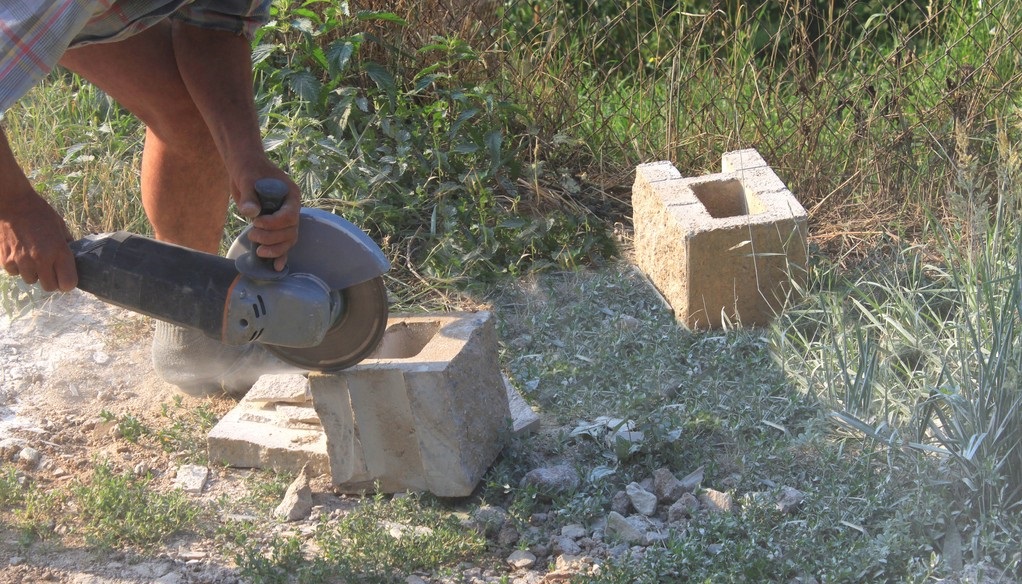
The performance of a diamond grinding wheel in thin-wall machining is heavily influenced by its specific characteristics.
- Grit Size: This refers to the size of the diamond abrasive grains. A coarser grit removes material faster but produces a rougher finish, while a finer grit achieves a superior finish but at a slower removal rate. The optimal grit size depends on the desired balance between material removal and surface quality.
- Wheel Thickness: The thickness of the grinding wheel impacts workpiece stability. A thicker wheel provides greater rigidity, reducing the likelihood of vibration and chatter, which are detrimental to thin-wall machining. However, excessive thickness can hinder accessibility in confined spaces and increase grinding forces.
- Wheel Diameter: The wheel diameter affects cutting forces and surface finish. A larger diameter wheel generally exerts higher cutting forces but can provide a smoother finish due to the larger contact area. Smaller diameter wheels produce lower cutting forces but may result in a coarser finish. The choice of wheel diameter should consider the workpiece size, machine capabilities, and desired surface quality.
- Bond Strength: The bond material holds the diamond abrasives together. A strong bond provides excellent wheel life but can hinder self-sharpening and increase the risk of wheel glazing. A softer bond promotes self-sharpening and reduces glazing but may lead to premature wheel wear. The ideal bond strength depends on the material being machined, the desired stock removal rate, and the grinding conditions.
Grinding Process Parameters
Optimizing grinding process parameters is crucial for achieving desired results in thin-wall machining.
Wheel Speed, Work Speed, and Feed Rate Optimization
The relationship between wheel speed, work speed, and feed rate significantly impacts material removal rate, surface finish, and wheel life. A balanced approach is necessary. Higher wheel speeds generally improve material removal but can increase heat generation. Work speed affects the contact area between the wheel and workpiece, influencing cutting forces and surface finish. Feed rate determines the material removal rate per pass. Careful optimization of these parameters is essential to prevent burning, glazing, and chatter while achieving the desired surface finish and dimensional accuracy.
Coolant Selection and Application Methods
Coolant plays a vital role in dissipating heat, improving chip evacuation, and enhancing grinding performance. The choice of coolant depends on the material being machined, the desired surface finish, and other process parameters. Water-soluble coolants are commonly used for general-purpose grinding, while oil-based coolants are often preferred for difficult-to-machine materials. Effective coolant application methods, such as high-pressure flood cooling or mist cooling, are essential to maximize cooling efficiency.
Dressing and Truing Techniques for Maintaining Wheel Condition
Regular dressing and truing are vital for maintaining the grinding wheel’s cutting ability and preventing workpiece defects. Dressing restores the wheel’s cutting edge by removing dulled abrasive grains, while truing corrects the wheel profile and ensures dimensional accuracy. The choice of dressing and truing methods depends on the wheel type, material being machined, and desired surface finish. Diamond or cubic boron nitride (CBN) dressers are commonly used for dressing diamond grinding wheels.
Conclusion
Selecting the right diamond grinding wheel for thin-wall machining is vital for achieving optimal performance and precision. Key factors such as material properties, surface finish requirements, stock removal rate, and machine capabilities must all be considered. By understanding these aspects and choosing a wheel with appropriate grit size, thickness, and bond strength, you can enhance machining outcomes and ensure high-quality results.